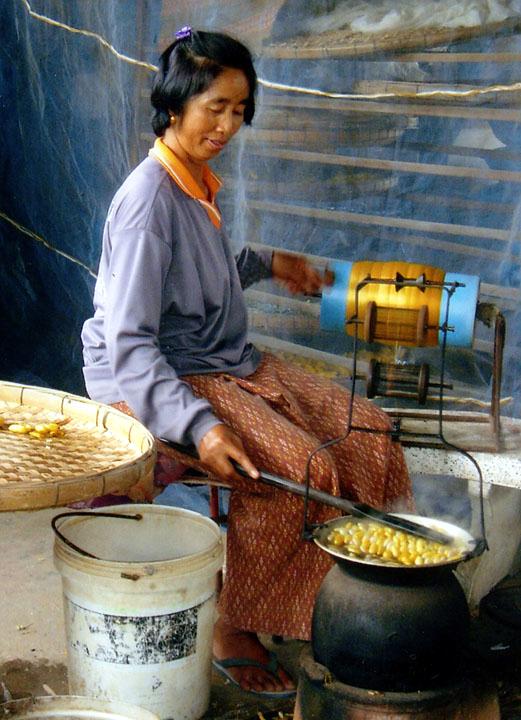
A Silk Production Revival Project in Thailand
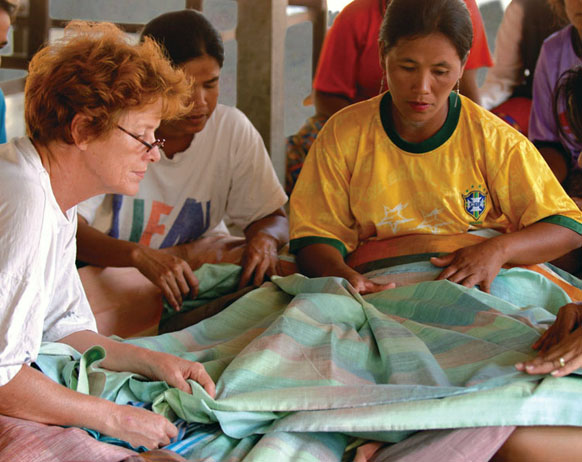
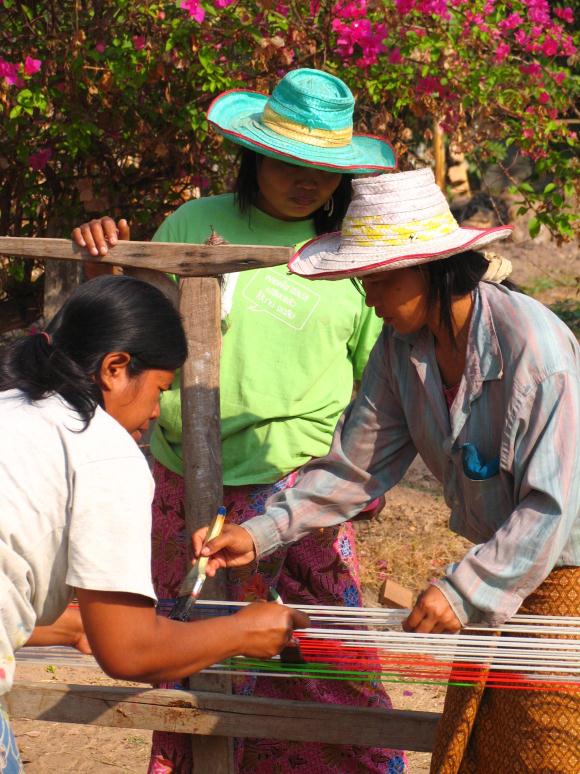
In 1985 Ms. Lea Laarakker Dingjan, a Dutch artist and textile specialist, recognized the surviving potential of the villagers’ weaving skill and the commercial potential for high quality silk fabric. She devoted herself to raising the necessary funds enabling the villagers to revive their craft and then established new markets and direct sales methods for the silk in Thailand and abroad. The high quality silk fabric produced in Bang Reng Khai, in combination with Ms. Lea’s designs incorporated into the finished garment and accessory products, is marketed as Lea Silk. This organization is essentially a non-profit enterprise producing and selling a stunning array of hand made silk fabrics and silk products from the location of the foundation, in a suburb of Bangkok.
The Foundation
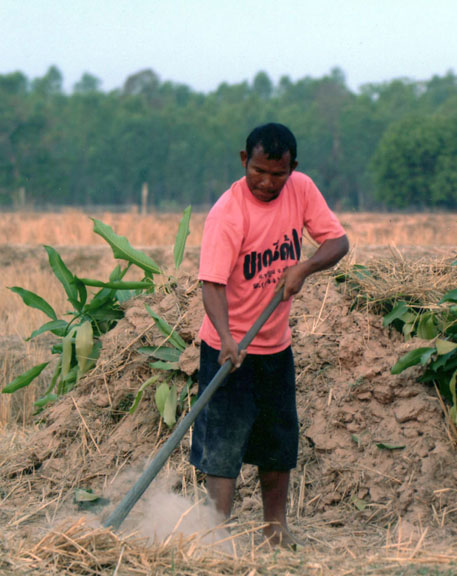
Established in 2001, the Ban Reng Khai Foundation is an independent organization in Thailand focused entirely on supporting village self-sufficiency in integrated farming, sericulture and silk weaving, micro-enterprise, healthcare and education. Pivotal to its establishment was Dr. Seri Phongphit, a native of Isaan, who has spent over two decades working with non-governmental organizations for development in rural Thailand. As a co-founder of the Foundation, Dr. Seri has been instrumental in broadening the scope of what began as a single village project that now includes four more villages.
Learning4Living
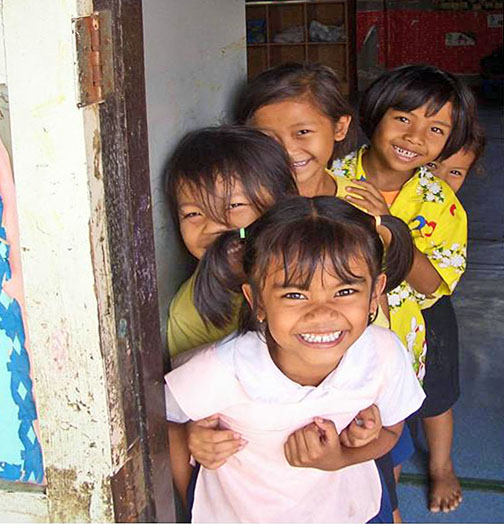
In 1990 the first stage of the study project started in the village Ban Reng Khai with the provision of school uniforms, books, and bicycles, to 112 children under 12 years old. This enabled them to attend primary school. At that time the assistance covered all the children of Ban Reng Khai. Funding came from the sales of silk and from private donations from The Netherlands. For six years the annual financial support was approximately 80,000 Thai Baht.
In 1996 about ten children were ready for secondary school. Each was individually sponsored by private donations. Few children went on to secondary school, because there were no paved roads, cars, or electricity in the village. It was difficult to convince the families and the children to stay in school – in the rainy season it was often impossible to reach the school! For a brief period the home of a teacher was used as a boarding house for some students, but this didn’t work. In 1997 some children from neighbouring villages joined the study group.
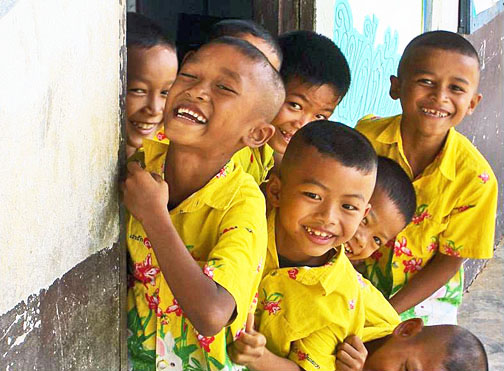
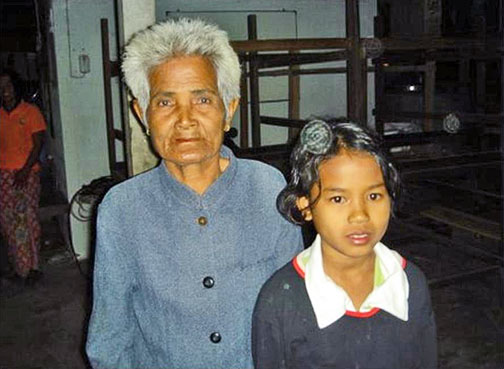
In 1998 fourteen students (eleven boys and three girls) progressed to technical school. The following year some students attended agricultural college. Funding was supported by private donations, but this became more and more difficult as costs increased. Increasingly the proceeds from the sales of silk had to be used to cover the L4L costs.
In 2003 the project became too expensive, and funding per student was reduced to 50 percent of the total cost. Fortunately at this time the law in Thailand changed and the Thai government made more funds available for all children to attend junior secondary school (the first three years), including more money to buy school books
Although the Thai Constitution mandates free schooling for at least 12 year olds, the Thai authorities and the United Nations in Bangkok confirm that costs involved other than school fees can be prohibitive for poorer people, and is often the main reason why they do not attend lower or higher secondary school. Student lunches, school uniforms, books, and transportation costs, together with special fees for such as computer labs, currently comprise most of the parental costs for children at school.
In addition secondary schools in Surin demand fees (electricity, computer classes etc.) from parents, often amounting to about 5,000 Baht per student per year. During this period an average of thirty to forty children benefited from the project, with students receiving about 12,000 Baht per year towards their increased costs.
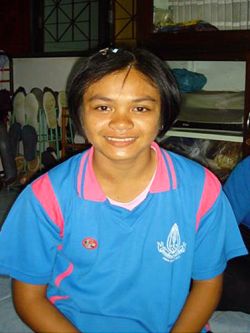
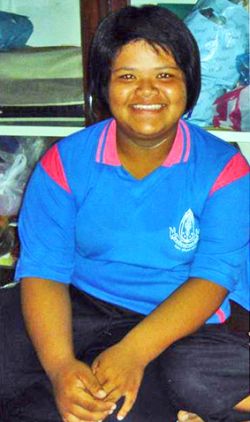
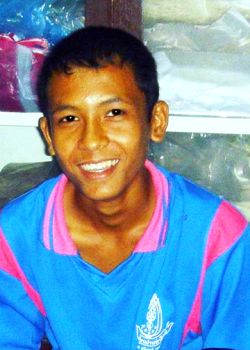
Since 2005 the study project has grown and taken on a more formal approach. The name “Learning4Living (L4L) was introduced, and the number of sponsored students almost doubled, from 17 to 32 as the project expanded to three new non-weaving villages, and other schools in Surin province. Currently the project supports 50 students.
Each year all sponsored students are interviewed to asses their progress at school. New applications for study grants are assessed, and candidates are selected in close consultation with parents, local teachers, and school principals.
READ MORE about awards received